Loading...
Serving Marion, IL and surrounding areas. (618) 422-0172
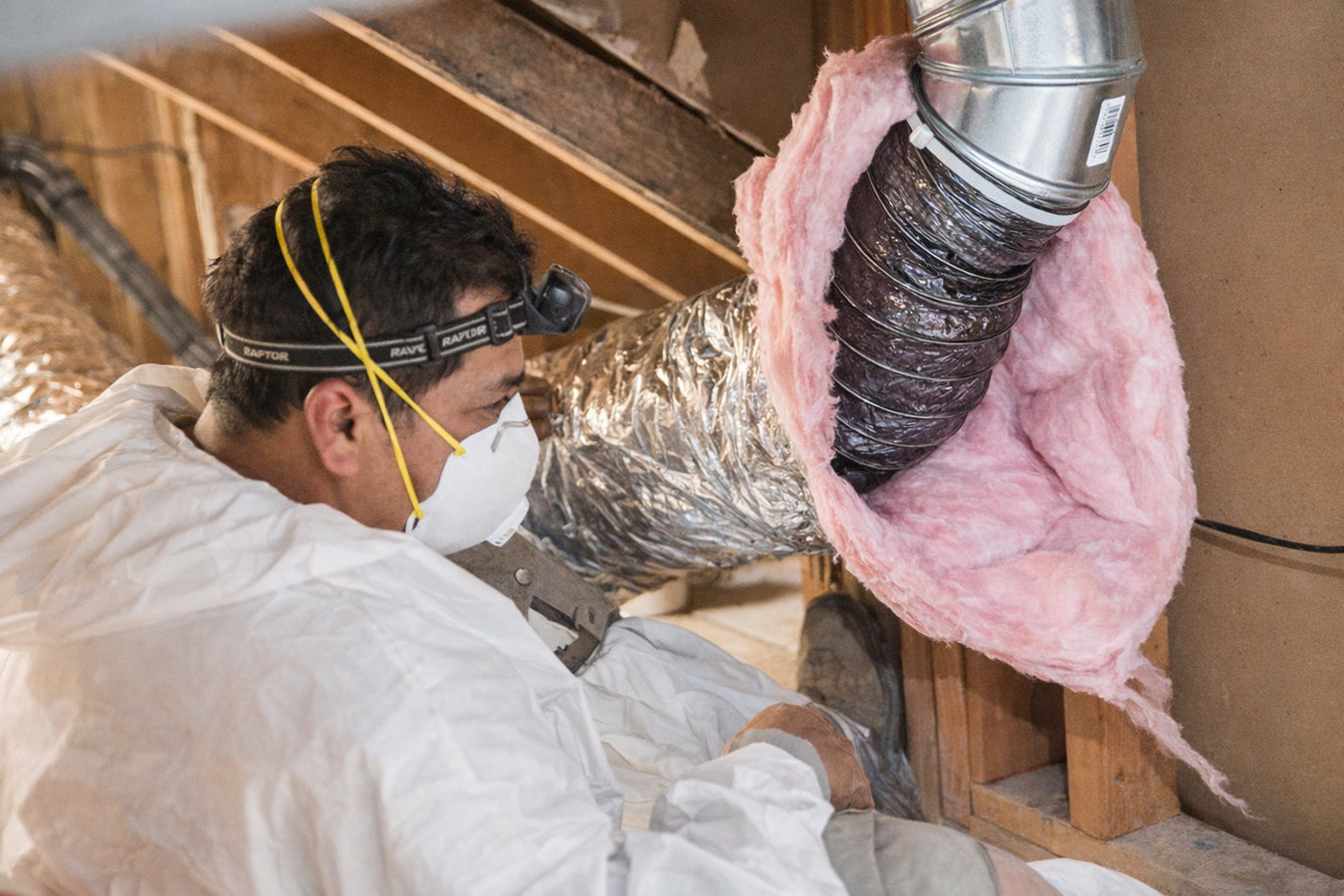
Hidden gaps in your attic floor are costing you money every month. We find and seal every opening so your home holds temperature - and your HVAC stops working overtime.
Attic air sealing in Marion, IL means finding and plugging the gaps around light fixtures, plumbing pipes, wall tops, and attic hatches that let conditioned air escape and outside air sneak in, and most jobs are completed in one to two days with no need to leave your home.
Adding insulation without sealing air leaks first is like putting a blanket over a screen door - the heat still escapes through all the holes. In Marion, where summers push into the low 90s and winter temperatures can drop below 10 degrees, your attic is working against you in both directions all year long. Many homeowners in Marion are surprised to learn how many of these openings exist in a typical house, particularly in homes built before 1990. Sealing those leaks first makes your air sealing services and insulation perform the way they were designed to.
A significant portion of Marion's neighborhoods - including areas near downtown and older subdivisions off Route 13 - feature homes built in the 1950s through 1980s, well before modern building codes required attention to air sealing. For owners of these homes, the attic is almost certainly leaking in ways that standard insulation upgrades alone will not fix.
Marion's climate swings hard between summer heat and winter cold. If your heating and cooling bills feel disproportionately high compared to neighbors with similar-sized homes, air leaking through your attic is a likely cause. If your system runs constantly during the hottest and coldest weeks but the house still feels uncomfortable, that is a strong signal worth investigating.
Stand under your attic access panel on a cold day and hold your hand near the edges - if you feel cool air moving, your attic is communicating directly with your living space. The same test works around recessed ceiling lights, which are common in homes built in the 1970s and 1980s and are notorious for leaking air. This is one of the easiest checks you can do yourself without any tools.
If you own one of Marion's older homes and have no record of air sealing work being done, there is a very good chance the attic has never been properly sealed. Even if insulation has been added over the years, the underlying air leaks are almost certainly still there. Age alone is a strong reason to have someone take a look.
An unsealed attic acts like a pump, drawing in outside air - along with dust, pollen, and particles - every time your HVAC system runs. If you find yourself dusting more often than seems reasonable, or family members notice allergy symptoms are worse inside than outside, air infiltration through the attic is worth investigating. Marion's spring pollen season can make this effect more noticeable.
We work through the attic floor methodically, using foam for larger gaps and caulk for smaller cracks, targeting every penetration - light fixtures, plumbing stacks, wall top plates, attic hatches, and any other bypass we find during the assessment. For homeowners who want to go further, we pair attic air sealing with our full retrofit insulation service to address both air movement and thermal performance in the same visit.
For homeowners dealing with broader drafts and comfort issues throughout the house, we also offer comprehensive air sealing services that extend beyond the attic to rim joists, basement band joists, and other parts of the building envelope. The goal is a home that holds temperature the way it should - not one that fights your thermostat every season.
Best for most Marion homes: foam and caulk applied to every gap around fixtures, pipes, wires, and wall tops to stop air movement at the source.
For homes where the attic access is a major source of drafts - common in older Marion homes where hatches were never insulated or weather-stripped.
For homeowners who want before-and-after measurement showing exactly how much air movement was reduced by the work.
For homes that need both problems fixed: we seal the gaps first, then add insulation so both measures work together rather than one undermining the other.
Marion sits in southern Illinois and experiences a climate with summer highs regularly reaching the low 90s and winter lows that can dip below 10 degrees. That wide temperature swing means your attic is working against you in both directions - leaking cool air in July and warm air in January. Homeowners here tend to see faster payback on air sealing than those in milder climates because the system is under pressure for more months of the year. Marion is served by Ameren Illinois, which offers rebate programs that can offset a meaningful portion of your project cost - it is worth confirming eligibility before work begins. Homeowners in Herrin and Carbondale deal with the same climate demands, and we serve both communities regularly.
Marion's location in the southern tip of Illinois also means it receives more annual rainfall and higher average humidity than cities in the northern part of the state. When warm, humid air from your living space rises into an unsealed attic, it can condense on cooler surfaces and create conditions for mold and wood rot over time. A contractor working in Marion should be attentive to moisture pathways alongside air gaps when planning sealing work. Illinois does not require a permit for most standalone attic air sealing work, but hiring an experienced contractor who documents the job is often a condition for utility rebate eligibility.
For authoritative guidance on air sealing, see the U.S. Department of Energy air sealing guide. For information on contractor qualifications, see the Building Performance Institute.
When you call or submit a message, we ask a few basic questions about your home's age and what you have been experiencing. This is not a sales call - it is gathering enough information to give you a useful estimate. You do not need to know anything technical. We respond to all inquiries within one business day.
A qualified contractor visits your home and physically inspects the attic before quoting anything. We check existing insulation depth, identify gaps and penetrations, and look for any moisture or ventilation concerns. This visit typically takes 30 to 60 minutes and comes at no charge.
You receive a written estimate that spells out what work will be done, what materials will be used, how long the job will take, and the total cost. We will also tell you at this stage whether your project is likely to qualify for Ameren Illinois rebates or the federal energy efficiency tax credit. Take your time comparing - we will not pressure you to sign the same day.
The crew works methodically through the attic floor, sealing every gap found during assessment. If a blower door test was included in your contract, we run it before starting and again when finished so you have a before-and-after comparison in plain numbers. When the job is done, we walk you through what was found and sealed - ideally with photos from inside the attic.
Free estimate, no obligation. We respond within one business day.
(618) 422-0172We do not quote a firm price without seeing your attic first. Every job starts with a physical inspection that identifies what needs sealing, not just a number based on square footage. That means you get an accurate estimate - not a price that changes once we see what is actually up there.
We are familiar with the Ameren Illinois rebate program and document our work to meet its requirements. We can tell you before the project starts whether your job qualifies and help you with the documentation - so the rebate actually happens rather than getting lost in paperwork.
Marion's older housing stock - brick ranch homes built in the 1950s through 1980s - has specific air sealing challenges that differ from newer construction. We work in these homes regularly and know where the leaks are before we even set up a ladder. That local experience makes the job faster and more thorough.
Attic air sealing happens in a space most homeowners never enter. We provide photos from inside the attic and a written summary of what was found and sealed, so you can see the work rather than just take our word for it. For jobs that include a blower door test, you get a number before and a number after.
These proof points add up to one thing: a contractor who does what they say and can show you the results. If you are ready to stop guessing whether your attic is the problem and start fixing it, call us or submit a free estimate request today.
Add insulation to your existing attic or walls without demolition - the natural next step after air sealing is complete.
Learn MoreWhole-home air sealing that extends beyond the attic to rim joists, basement band joists, and other parts of the building envelope.
Learn MoreFall is the best time to seal before the heating season - call now or request a free estimate and we will get you on the schedule.