
Loading...
Serving Marion, IL and surrounding areas. (618) 422-0172
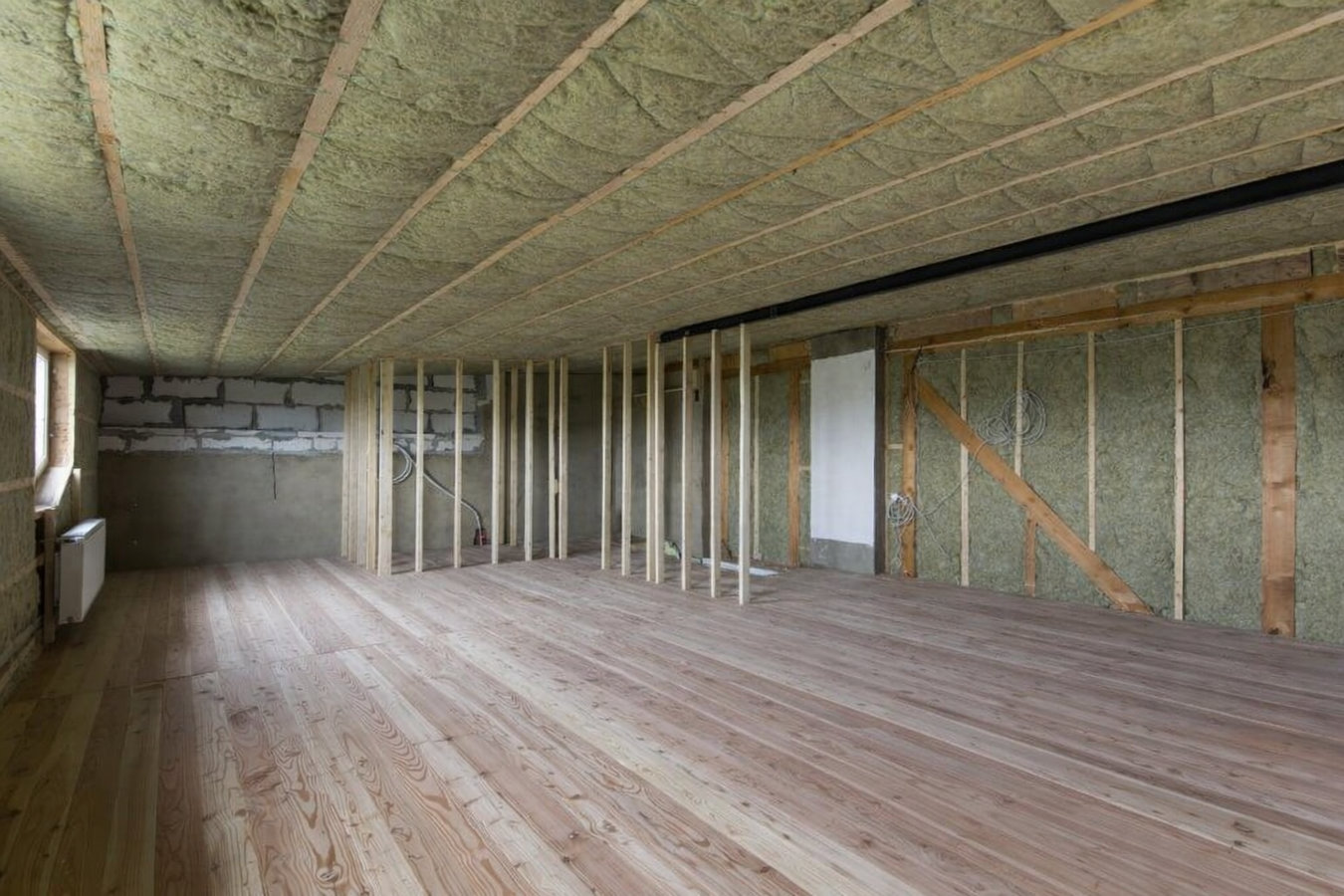
Cold floors and high heating bills often trace straight back to an uninsulated basement. We check for moisture first, then install the right insulation so your home holds heat the way it should.
Basement insulation in Marion, IL creates a barrier between your living space and the cold, damp air that collects below ground. Without it, that cold air seeps upward through your floors and forces your furnace to run longer than it should. Most jobs are completed in one to two days, and homeowners typically notice the difference within the first cold snap after installation.
A large share of Marion homes built between the 1940s and 1980s went up without any basement insulation at all - it simply was not standard practice at the time. If your home falls in that range, you are likely starting from scratch, which means the comfort and energy improvements after insulation are usually dramatic. Many homeowners also benefit from pairing basement work with crawl space insulation when both areas need attention.
Before any insulation goes in, we check for moisture - because covering up a damp wall only makes future repairs harder and more expensive. That assessment is part of every job we do.
If your main-floor rooms feel noticeably cold underfoot in winter - especially over an unfinished or unheated basement - cold air is rising from below. In Marion, where January temperatures regularly drop into the teens and twenties, an uninsulated basement acts like a cold box sitting under your living space. Insulating the basement walls or ceiling is the most direct fix.
If your gas or electric bill seems higher than it should be for a home your size, an uninsulated or under-insulated basement is one of the most common culprits. Heat escapes through the floor and basement walls constantly during southern Illinois winters, and your furnace runs longer to compensate. Basement insulation is one of the highest-return upgrades available for energy costs.
A musty smell or visible moisture on basement walls - especially after rain or during Marion's humid summers - signals moisture moving through your foundation. This does not automatically mean you should insulate right away; it means you need a contractor to assess whether moisture control is needed first. Insulating a damp basement without fixing the source makes the problem worse.
If you can see bare concrete block or poured concrete in your basement with nothing attached, your home almost certainly has no basement insulation. Most Marion homes built before 1980 were constructed this way - it was standard practice at the time. This is one of the clearest indicators that insulation would make a meaningful difference in your comfort and energy costs.
We insulate both basement walls and basement ceilings depending on how your space is used. Wall insulation is the better fit when you use the basement as living space or plan to finish it - it brings the whole basement into your home's heated envelope. Ceiling insulation makes more sense for unfinished, unheated storage areas where you want to keep the warmth in the rooms above. For spaces where air infiltration is a serious concern, we also discuss closed-cell foam insulation as an option, since it seals and insulates in one pass.
Every job includes a moisture assessment before installation begins. Marion's clay soils and seasonal rainfall mean water intrusion is a genuine risk, and a reputable contractor will not skip that step. We also inspect rim joists - the band of wood where your floor meets the foundation - since this area is one of the most common paths for cold air to enter a home. Rim joist sealing pairs naturally with basement wall insulation for a complete solution. If the basement project uncovers additional needs, we can discuss crawl space insulation as a follow-on step.
Best suited for homeowners who use the basement as living space or plan to finish it - brings the full space into your home's thermal boundary.
The right choice for unheated, unfinished basements where you want to keep the warmth in the floors above rather than conditioning the basement itself.
Targets the gap where your floor meets the foundation - one of the biggest cold-air entry points in older Marion homes.
Included with every job so you are never paying to cover up a water problem that will cost far more to fix after insulation is in place.
Marion sits in Williamson County, where winters regularly bring temperatures below freezing and summers bring sustained heat and humidity. That combination means your basement is fighting two battles at once - cold air infiltration in winter and moisture-laden air in summer. The majority of Marion's residential housing was built between the 1940s and 1980s, when basement insulation was rarely included in original construction. Starting from scratch is actually good news: there is a significant amount of room for improvement, and most homeowners feel the difference quickly. Marion also falls within Ameren Illinois service territory, and homeowners may be eligible for energy efficiency rebates that offset part of the project cost - worth asking about before you sign a contract.
Southern Illinois soils contain a notable clay component, which expands when wet and contracts when dry. That seasonal ground movement can cause minor shifting in basement walls over time, opening small cracks where water or cold air finds a path in. Homeowners in Herrin and Carbondale deal with the same soil conditions and housing stock as Marion, and we serve both areas alongside the full region. A contractor who understands these local factors will check for any cracks or water intrusion before recommending a plan - covering up a compromised wall only makes future repairs harder.
When you reach out, we ask a few basic questions - basement size, finished or unfinished, and any moisture history. We reply within one business day and set up an in-person visit, because no honest contractor can give you a real number without seeing the space.
We walk your basement, check the walls and ceiling, look at any existing insulation, and inspect for signs of moisture or air leaks. You get a written estimate that spells out the work, materials, and total cost - no surprises on the invoice.
Before the crew arrives, clear boxes and furniture away from the walls so every surface is accessible. If you have a partially finished area, let us know in advance what access we will need so you can plan accordingly.
Most jobs finish in one day, though larger or more complex basements may take two. Before we leave, we walk the finished work with you and point out anything noticed during the job - including any areas worth watching in the future. You should notice warmer floors within the first cold snap.
We come to you, assess your basement honestly, and give you a written estimate - no obligation, no sales pitch.
(618) 422-0172We assess your basement for water intrusion before recommending any insulation material. This is not an upsell - it is the only responsible way to work in a market like Marion where clay soils and seasonal rain create real moisture risk. Skipping this step leads to trapped water and mold problems down the road.
Most of the basements we work in are 40 to 70 years old. We know what construction looked like in that era, what common problems come up, and how to insulate around irregular block walls, old plumbing, and the quirks that show up in homes of that age. Local experience is not a slogan - it shows in how the job gets done.
Marion falls within Ameren Illinois service territory, and qualifying insulation upgrades may be eligible for cash rebates. We are familiar with the program and can guide you through what documentation you will need. Capturing available rebates before the project starts is far easier than chasing them after the fact.
Every quote we provide is in writing and spells out exactly what work will be done, what materials will be used, and what the total cost will be. That written estimate is what you pay - not what was vaguely discussed on the phone. It also protects you if any question ever comes up about what was agreed to.
The combination of local housing knowledge, a pre-installation moisture assessment, and transparent written estimates is what makes the difference between a job that holds up for decades and one that creates problems two winters from now. We work in Marion and the surrounding Williamson County area, and our reputation here depends on getting it right. The North American Insulation Manufacturers Association sets industry standards for installation quality, and we follow those standards on every project.
A dense, moisture-resistant foam option well-suited to basement walls and rim joists where both air sealing and insulating value matter.
Learn MoreIf your home has a crawl space in addition to a basement, we handle both areas so no cold or moisture pathway is left unaddressed.
Learn MoreMarion winters do not wait - the sooner the insulation goes in, the sooner your floors stay warm and your heating bills come down.